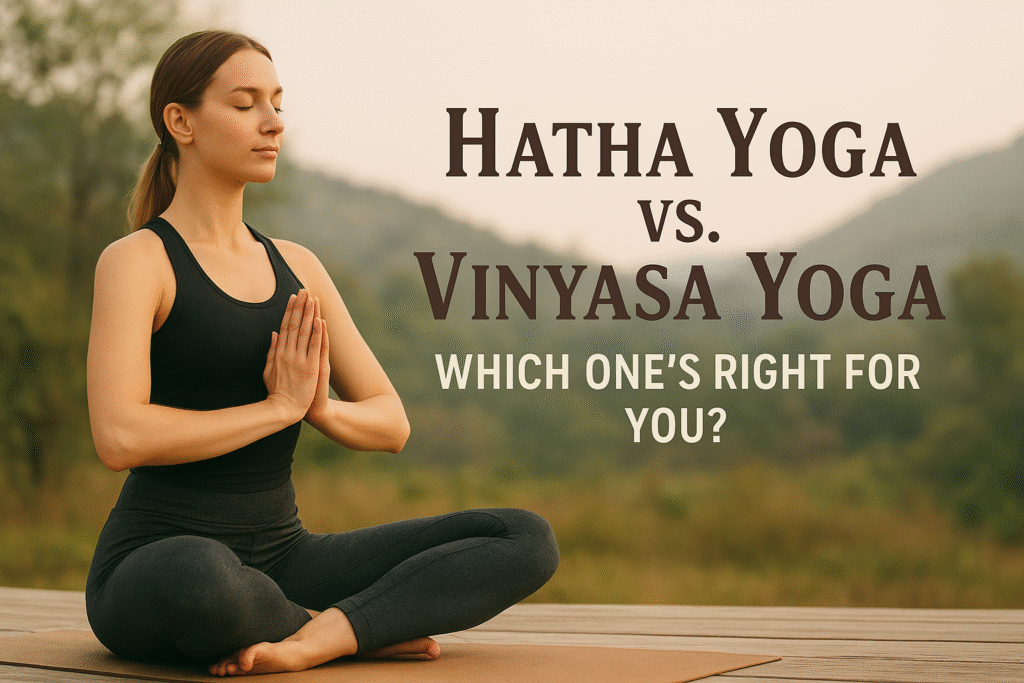
Yoga offers countless paths to explore balance, strength, and self-awareness. Among the many styles practiced worldwide, Hatha Yoga and Vinyasa Yoga stand out as two of the most popular and transformative.
If you’re new to yoga or planning to enroll in a yoga teacher training course in Rishikesh, understanding the difference between these two styles can help you choose the right path for your body, mind, and goals.
What is Hatha Yoga?
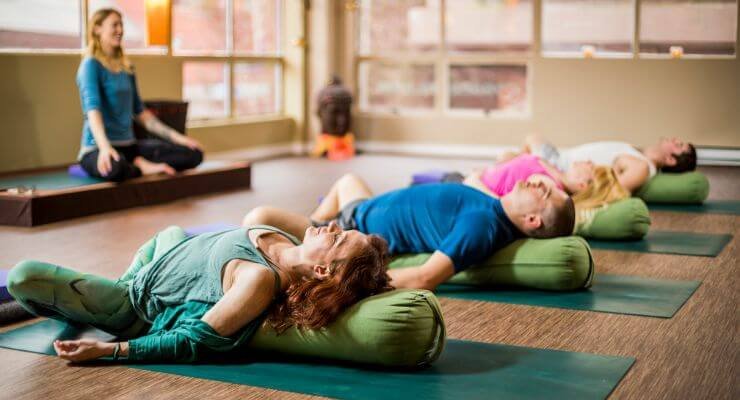
Hatha Yoga is one of the oldest and most traditional forms of yoga. The term “Hatha” comes from Sanskrit — “Ha” meaning sun and “Tha” meaning moon — symbolizing the balance between opposing energies within the body.
Hatha Yoga focuses on:
- Physical postures (asanas)
- Breath control (pranayama)
- Meditation and relaxation
It’s a slow-paced and mindful practice that emphasizes correct alignment and awareness in each posture.
Key Characteristics of Hatha Yoga
- Slow and steady movements
- Long holds in each pose
- Emphasis on breathing and meditation
- Suitable for beginners and all age groups
- Balances body and mind through controlled practice
Benefits of Practicing Hatha Yoga
- Improves flexibility and posture
- Reduces stress and anxiety
- Enhances focus and mindfulness
- Strengthens muscles and joints
- Promotes inner peace and calmness
At Nada Yoga School in Rishikesh, Hatha Yoga is taught as the foundation of all yoga practices. Students learn not only the postures but also the spiritual and philosophical aspects behind each movement.
What is Vinyasa Yoga?
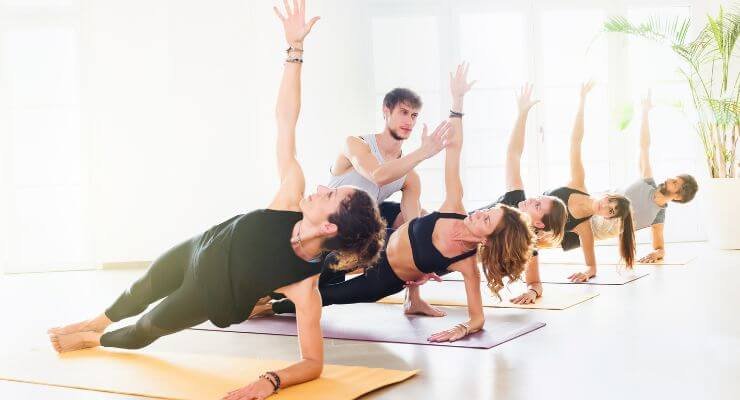
Vinyasa Yoga, often called “flow yoga,” is a dynamic and creative style that links breath with movement. Each posture transitions smoothly into the next, creating a rhythmic flow of energy.
The word “Vinyasa” means “to place in a special way,” emphasizing the mindful sequencing of poses. Unlike the slower Hatha style, Vinyasa classes are energetic, fast-paced, and invigorating.
Key Characteristics of Vinyasa Yoga
- Fluid, continuous movements
- Synchronization of breath and motion
- Often set to music
- Builds heat and endurance
- Encourages creativity in sequencing
Benefits of Practicing Vinyasa Yoga
- Boosts cardiovascular health
- Enhances strength and stamina
- Improves coordination and balance
- Detoxifies the body through sweat
- Builds mindfulness through breath awareness
In Vinyasa Yoga Teacher Training, students explore the art of sequencing, learn to guide breath-led flows, and discover how to adapt practices for different levels and energies.
Key Differences Between Hatha and Vinyasa Yoga
While both styles aim to unite body, mind, and spirit, their approaches differ significantly. Here’s a clear comparison:
| Aspect | Hatha Yoga | Vinyasa Yoga |
|---|---|---|
| Pace | Slow and steady | Fast and flowing |
| Focus | Alignment and stillness | Movement and breath coordination |
| Intensity | Gentle and calming | Dynamic and energizing |
| Breath | Deep and controlled during static poses | Continuous flow linking breath to movement |
| Best For | Beginners, meditators, stress relief | Intermediate to advanced practitioners, fitness enthusiasts |
| Goal | Balance and mindfulness | Strength, flexibility, and endurance |
Both styles are powerful in their own way — your choice depends on your personal goals and physical capacity.
How to Choose Between Hatha and Vinyasa Yoga
Choosing the right style depends on what you seek from your yoga journey. Here’s how to decide:
1. Your Experience Level
- Beginners: Hatha Yoga provides a solid foundation, helping you learn alignment and breathing techniques before moving into more dynamic flows.
- Experienced Practitioners: Vinyasa Yoga offers challenge and variety for those familiar with basic poses.
2. Your Physical Goals
- Choose Hatha Yoga if you want to improve flexibility, relieve stress, and enhance mindfulness.
- Opt for Vinyasa Yoga if you’re looking for a workout that builds stamina, burns calories, and strengthens muscles.
3. Your Energy Levels
- Low Energy Days: Hatha Yoga’s slower pace soothes the nervous system.
- High Energy Days: Vinyasa’s flowing movements channel your energy productively.
4. Your Mental Focus
- Hatha encourages introspection and grounding.
- Vinyasa promotes focus through rhythm and flow.
At Nada Yoga School, students often begin with Hatha to establish a deep foundation before transitioning into the energetic expression of Vinyasa. This progression supports balance, strength, and awareness in both body and mind.
Hatha Yoga and Vinyasa Yoga in Rishikesh
Rishikesh, known as the Yoga Capital of the World, is the perfect place to explore these styles deeply.
At Nada Yoga School, our certified teachers blend traditional wisdom with modern understanding, ensuring a holistic experience for every student.
What You’ll Learn in Our Teacher Training Courses
- Asana practice: Hatha and Vinyasa techniques
- Pranayama and Meditation: Breath and mindfulness training
- Philosophy: The roots of yoga and its spiritual essence
- Anatomy: Understanding the body’s alignment and energy flow
- Teaching methodology: How to guide safe and effective classes
Whether you choose Hatha Yoga Teacher Training or Vinyasa Yoga Teacher Training, you’ll gain the confidence and knowledge to teach globally while living the authentic yogic lifestyle in Rishikesh.
Can You Practice Both? Absolutely!
Many practitioners find balance by combining both styles.
- Hatha Yoga helps cultivate awareness, stillness, and precision.
- Vinyasa Yoga builds strength, stamina, and flow.
Together, they create a well-rounded practice that nourishes both body and spirit.
You might practice Hatha in the morning to set an intentional tone for the day, and Vinyasa in the evening to release energy and tension.
Final Thoughts
Both Hatha Yoga and Vinyasa Yoga offer profound benefits — there’s no right or wrong choice. Your body, energy, and goals will naturally guide you toward the style that suits you best.
If you’re ready to dive deeper into yoga, consider joining Nada Yoga School in Rishikesh, where ancient wisdom meets authentic practice. Whether your journey begins with the stillness of Hatha or the rhythm of