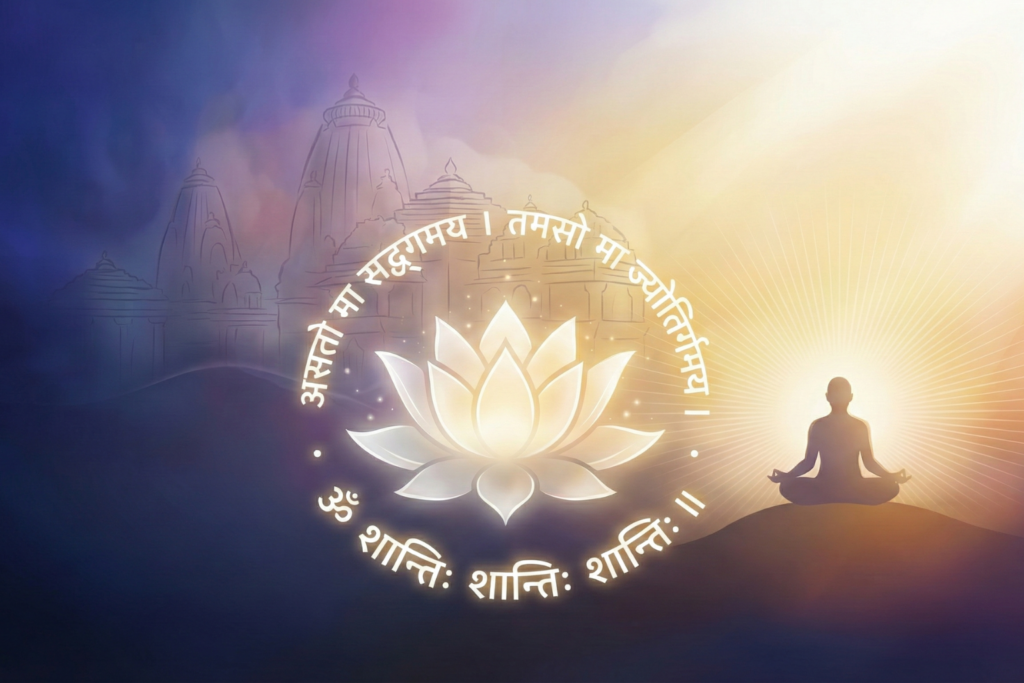
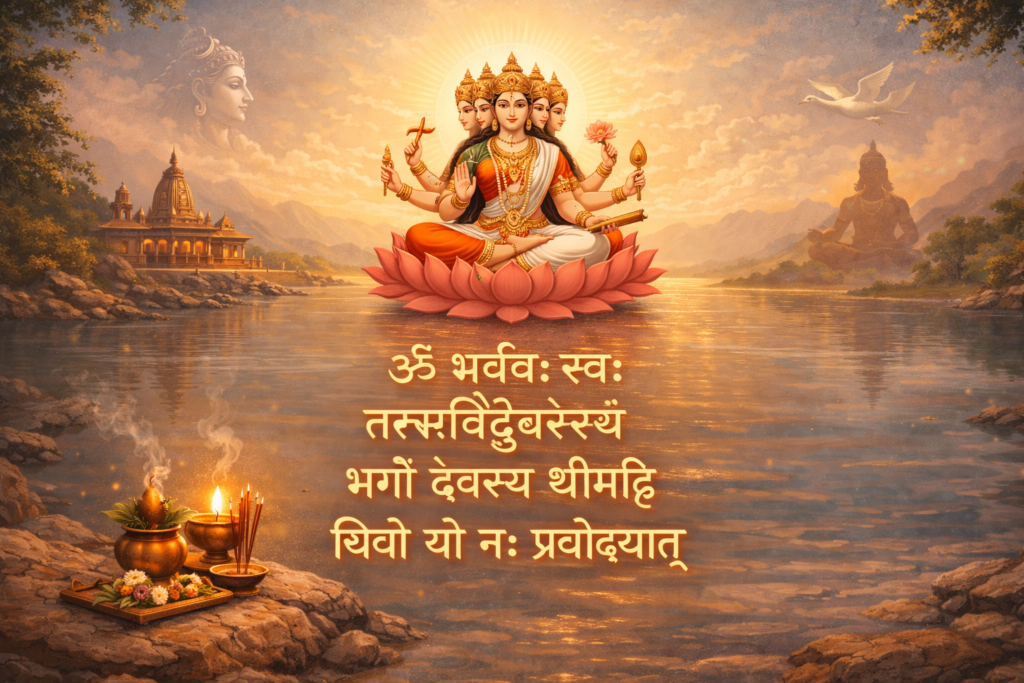
Sanskrit is often called the language of the gods, but its significance goes far beyond poetic symbolism. For thousands of years, yogis, sages, and seekers have used Sanskrit mantras as tools to transform the mind, purify emotions, and tune into higher states of awareness.
In the world of Nada Yoga, where sound is the doorway to inner awakening, Sanskrit holds a unique and powerful place.
In this blog, you will discover why Sanskrit mantras are considered alive with consciousness, how sound vibrations shape our inner world, and why this ancient language continues to guide millions on the spiritual path.
What Makes Sanskrit a Sacred Language?
Sanskrit is not just a language used for communication. It is a vibrational science designed for spiritual growth. Yogic texts describe Sanskrit as a language where sound, form, and meaning are deeply interconnected.
1. Sanskrit is a Phonetic and Vibrational Language
Every letter in Sanskrit corresponds to a specific vibration in the body.
This means that chanting Sanskrit mantras naturally activates physical and energetic centers.
Key points:
- Each of the 50 Sanskrit alphabets (varnas) corresponds to different points in the mouth and energy pathways.
- The vibrations stimulate the chakras and subtle body.
- When pronounced correctly, Sanskrit generates a precise frequency that aligns the mind with harmony and clarity.
2. Root Sounds (Bija Mantras) Hold Pure Consciousness
Bija mantras like Om, Hum, Lam, Ram, and Yam are considered the seed sounds of creation.
They work not through meaning but through vibration.
- They awaken the dormant energy within.
- They stabilize the mind and improve focus.
- They purify suppressed emotions stored in the energetic body.
This is why Sanskrit is inseparable from spiritual practice. It carries the blueprint of creation within its sound structure.
The Yogic Perspective: Sound as the Source of Reality
In Nada Yoga and classical yoga philosophy, the universe begins with sound.
Sanskrit mantras help us return to this primal frequency.
Sound Creates Form
Ancient yogis believed that everything in existence is made of vibrational energy. Modern science also confirms that sound waves affect matter and influence brain patterns.
Sanskrit mantras are crafted based on these universal vibrational principles.
They help in:
- Balancing the nervous system
- Harmonizing breath and brain waves
- Expanding awareness and intuition
Mantras Work Through Three Levels of Sound
- Vaikhari – Audible chanting
- Madhyama – Mental repetition
- Pashyanti – Subtle intuitive sound
As practitioners move from outer sound to inner sound, consciousness becomes more refined. Sanskrit supports this journey because its vibrations are already aligned with these subtle dimensions.
Why Mantras Carry Consciousness
Mantras are not ordinary words. The yogic tradition says that mantras are living entities.
This idea is based on three core principles.
1. Mantras Are Embedded With Intent (Sankalpa)
Every mantra carries a specific intention woven into its vibration.
For example:
- Gayatri Mantra purifies intellect
- Mahamrityunjaya Mantra promotes healing and protection
- Om Namah Shivaya dissolves ego and awakens inner strength
When we chant, we tune our mind to the consciousness encoded within the mantra.
2. Repetition Creates Neural and Energetic Patterns
Regular mantra chanting creates a rhythmic pattern in the brain.
Benefits include:
- Lower stress and anxiety
- Improved focus and memory
- Enhanced emotional balance
Mantric vibrations activate the parasympathetic nervous system, which is responsible for relaxation and healing.
3. Sanskrit Mantras Connect You to Collective Consciousness
For thousands of years, millions have chanted the same mantras. This creates a field of collective energy.
When you chant a Sanskrit mantra, you link yourself to this ancient stream of wisdom and devotion.
This is one of the reasons mantra chanting in places like Rishikesh, the birthplace of yoga, feels especially powerful.
Sanskrit and the Chakras: How Mantras Influence Energy Centers
Sanskrit mantras directly affect the chakras through sound resonance.
Bija Mantras for the Chakras
- Lam – Root Chakra
- Vam – Sacral Chakra
- Ram – Solar Plexus Chakra
- Yam – Heart Chakra
- Ham – Throat Chakra
- Om – Third Eye Chakra
- Silence – Crown Chakra
These simple sounds help purify, activate, and balance the subtle body.
This is why every yoga teacher training course in Rishikesh includes mantra chanting.
The Role of Resonance
When you chant aloud, the sound waves move through your body.
This resonance:
- opens blocked energy pathways
- improves breath flow
- stabilizes the emotional body
Sanskrit was designed so that each sound creates the correct kind of resonance for inner transformation.
Scientific Benefits of Sanskrit Mantra Chanting
Modern research supports what yogis have known for centuries.
Studies show that chanting Sanskrit mantras:
- reduces activity in the stress centers of the brain
- increases alpha waves (relaxed awareness)
- improves cardiovascular health
- enhances concentration and cognitive processing
- deepens emotional wellbeing
The repetition of rhythmic sound patterns also synchronizes the left and right hemispheres of the brain, helping you feel centered and clear.
The Role of Sanskrit in Nada Yoga
At Nada Yoga School in Rishikesh, we teach students how sound can be used as a spiritual tool. Sanskrit plays an essential role in this journey.
How Students Benefit from Sanskrit and Mantra Practices
- They learn correct pronunciation for maximum vibrational effect.
- They experience the resonance of mantras in group chanting sessions.
- They understand the connection between sound, consciousness, and healing.
- They develop a deeper relationship with yogic philosophy and meditation.
Sanskrit becomes not just a language but a path of inner awakening.
How to Start a Sanskrit Mantra Practice
If you are new to mantra meditation, here is a simple way to begin.
1. Choose a mantra that resonates with you
Examples:
- Om
- Om Namah Shivaya
- Gayatri Mantra
- So Ham
2. Sit comfortably with a straight spine
A quiet place helps but is not necessary.
3. Chant slowly and clearly
- Focus on the vibration in your chest and throat.
- Keep your breath long and relaxed.
4. Repeat for at least 108 times
Using a mala helps establish rhythm and discipline.
5. End with silence
This is where the deeper transformation happens.
Conclusion: Sanskrit as a Gateway to Higher Awareness
Sanskrit is much more than an ancient language. It is a living, vibrational science created to awaken consciousness.
When you chant Sanskrit mantras, you tune your mind and energy to harmony, clarity, and spiritual expansion.
This is why Sanskrit remains central to yoga, meditation, and Nada Yoga practices across the world, especially here in Rishikesh where mantras echo through the mountains and river.
If you want to understand the deeper dimensions of sound, mantra, and consciousness, studying Sanskrit through yoga is a profound first step.