Choosing a singing bowl for sound healing begins with listening. Each bowl has its own tone, resonance, sustain and playing response, and these qualities shape how it works in meditation, sound baths and individual sessions. For beginners, the range of available instruments can feel overwhelming, especially when comparing traditional metal singing bowls with crystal singing bowls.
The best singing bowl for sound healing depends on your purpose, the kind of sound you enjoy and the setting in which you plan to use it. Someone beginning a personal meditation practice may prefer a single metal bowl with a warm, layered tone. A practitioner leading group sound baths may want several bowls with complementary pitches and different acoustic qualities.
This guide explains how to choose singing bowls for sound healing, what to consider before buying, how bowl size and material affect the sound, and which instruments suit different levels of experience.
What are singing bowls used for in sound healing?
Singing bowls are resonant instruments that produce sound when a player strikes the bowl or moves a mallet around its rim. Their tones can contain several audible components, including a fundamental pitch and additional overtones. The resulting sound changes according to the bowl’s construction, the playing technique and the surrounding acoustics.
Practitioners use singing bowls in sound meditation, relaxation sessions, yoga classes, breathwork and group sound baths. During a session, a facilitator may play one bowl at a time, create sequences of tones or combine several instruments to develop a soundscape.
People also use singing bowls at home as part of a daily meditation routine. A single bowl can provide a consistent listening point, helping the practitioner direct attention towards the sound, observe its changing qualities and notice the gradual fading of resonance.
Research into singing bowl interventions has reported promising findings for certain measures of wellbeing. However, the clinical evidence remains developing, so claims about treating medical conditions require caution. The practical value of a bowl begins with its sound, its suitability for the session and the way the facilitator uses it.
1. Choose between Tibetan metal and crystal singing bowls
The first decision involves the material. Traditional Himalayan metal singing bowls and modern crystal singing bowls have different acoustic qualities, playing requirements and practical considerations.
Tibetan and Himalayan metal singing bowls
Metal singing bowls, often called Tibetan or Himalayan singing bowls, commonly use copper-based alloys. Some have a hand-hammered finish, while others are cast or produced using different manufacturing methods.
These bowls often produce layered tones with audible overtones. Depending on the instrument, the sound may feel warm, mellow, bright or complex. Striking the bowl can produce a clear initial tone, while circling the rim can create a sustained singing sound.
Metal bowls suit personal meditation, mantra practice, yoga sessions and sound baths. Their durable construction also makes many of them practical for teachers who travel between studios or conduct classes in different locations.
When choosing a metal singing bowl, listen for a clear response, a pleasing balance of tones and a resonance that continues naturally after each strike. Handcrafted appearance can be appealing, although the quality of the sound and construction should guide the purchase.
Crystal singing bowls
Crystal singing bowls generally use quartz and produce clear, sustained tones. Many are designed around specific musical pitches, which allows practitioners to arrange several bowls into a planned musical sequence.
Their bright, penetrating sound can work well in group sound baths, meditation sessions and contemporary sound healing settings. A collection of bowls with different pitches can also provide a facilitator with a wider range of musical possibilities.
Crystal bowls require careful handling because they can chip or break if dropped or struck too forcefully. Their size and weight also affect storage, transport and setup.
Before buying a crystal singing bowl, listen to the instrument in person or request a reliable recording. Check its tuning, tone quality, physical condition and compatibility with the mallet supplied by the maker.
Which type should you choose?
| Feature | Metal singing bowls | Crystal singing bowls |
| Sound character | Often layered, with rich overtones | Often clear and sustained |
| Playing method | Striking and rim playing | Commonly rim playing, with suitable mallets |
| Practical use | Meditation, yoga, mantra and sound baths | Sound baths, tonal sequences and meditation |
| Durability | Generally sturdy, depending on construction | More fragile and requires careful handling |
| Best starting point | A versatile single bowl for daily practice | A carefully selected bowl for a specific tonal preference |
Both types can support sound-based relaxation and meditation. Your preferred sound, playing style, budget and intended use should determine the choice.
2. Select the right singing bowl size
Singing bowl size affects handling, portability and the character of the sound. In many cases, larger bowls produce lower tones, while smaller bowls produce higher tones. However, diameter alone cannot predict the exact pitch because shape, wall thickness, rim design and material also influence the instrument’s acoustic behaviour.
Small singing bowls
Small bowls are convenient for personal practice, travel and compact meditation spaces. They are easy to handle and can produce clear, bright tones that work well for focused listening.
Their portability makes them useful for yoga teachers who want to carry a single instrument between classes. Before purchasing, check whether the bowl produces enough resonance for the room in which you intend to play it.
Medium-sized singing bowls
Medium-sized bowls offer a practical balance between portability and sound presence. Many beginners find this category useful because the instrument remains manageable while offering a fuller tone.
A medium bowl can serve as the main instrument for a daily meditation practice or as one component of a larger sound healing collection. Its suitability depends on the actual sound and response, so compare several bowls whenever possible.
Large singing bowls
Large bowls often produce fuller, lower tones and may have a strong presence in group settings. Their sound can help establish a spacious listening environment, especially when the facilitator allows enough time for the resonance to fade.
These instruments can require additional support, storage space and careful handling. Before buying a large bowl, consider its weight, the size of your practice room and how easily you can transport it.
Practical tip: Treat size as a useful starting point rather than a guarantee of pitch. Listen to the actual instrument and choose the sound that suits your practice.
3. Listen to the tone, resonance and overtones
Sound quality is one of the most important factors when choosing singing bowls for sound healing. A bowl may look beautiful and carry an appealing description, yet its sound still needs to suit your ears and the purpose of your sessions.
Three qualities deserve particular attention.
Tone describes the audible pitch and overall character of the sound. Some bowls produce a bright, clear tone, while others have a deeper or softer character.
Resonance describes how the bowl responds when played and how its sound develops. A responsive bowl should produce a sound that feels consistent with the way you strike or circle the rim.
Sustain refers to how long the sound remains audible after the initial strike or playing motion. Longer sustain can provide extended listening opportunities, although the ideal duration depends on the session and the other instruments involved.
Overtones also contribute to the character of many metal singing bowls. These additional frequencies give the sound its distinctive texture and can make close listening an engaging part of meditation.
When testing a bowl, strike it gently and listen to the complete sound, including its fading tail. Then try rim playing if the instrument supports that technique. Notice whether the sound feels balanced, whether the bowl responds consistently and whether you enjoy listening to it over repeated plays.
4. Consider the purpose of your sound healing practice
The right singing bowl depends on how you plan to use it. Defining your purpose before shopping helps you focus on the features that matter.
For personal meditation
If you want a singing bowl for meditation at home, begin with one instrument that produces a comfortable, appealing tone. A versatile metal bowl can be a practical first choice because it supports striking and rim playing and works across several types of practice.
Use the bowl to begin meditation, mark a transition into silence or bring attention back to listening. With regular practice, you can become familiar with its tone and learn to play it consistently.
For group sound baths
Facilitators who lead group sound baths may benefit from several instruments with different tonal qualities. A combination of metal bowls, crystal bowls, gongs and chimes can provide variety, provided the instruments work well together.
Consider the size of the room, the number of participants and the volume required. A bowl that sounds pleasant in a small room may feel too quiet in a larger space, while a loud, piercing tone may overwhelm a small group.
For yoga and mantra practice
Singing bowls can accompany meditation, yoga relaxation and chanting. In these settings, the instrument should support the practice and leave enough space for the teacher’s voice, participants’ breathing and periods of silence.
A single bowl may be sufficient for opening or closing a session. Teachers who combine singing bowls with mantra or Indian classical music can also explore how the bowl’s tone relates to the pitch and rhythm of the other sounds.
For professional sound healing sessions
Practitioners who work with clients should consider ease of playing, consistency, portability and the ability to control volume. They should also learn how to discuss the session clearly, obtain consent and adapt the sound environment to each participant’s comfort.
A larger collection can be useful, although each instrument should have a clear purpose. Learning to play a few bowls well can help a practitioner build a more coherent session than buying a large set before developing technique.
5. Should you buy a single singing bowl or a complete set?
A single singing bowl can support a meaningful daily practice. It allows beginners to learn how the instrument responds, experiment with different playing techniques and develop attentive listening.
A set of singing bowls provides additional tonal choices. This can be useful for facilitators who plan sound baths with changing pitches, musical intervals or a combination of instruments.
Before buying a complete set, consider these questions:
- Can you play each bowl comfortably and consistently?
- Do the bowls sound pleasant individually?
- Do their pitches and tonal qualities work together?
- Can you transport and store the full collection safely?
- Does the set match your budget and the sessions you intend to lead?
When choosing multiple bowls, listen to them together whenever possible. Musical intervals and the relationship between pitches can shape the overall sound. A collection should support your intended session structure, whether that involves gentle transitions, sustained tones or a more varied soundscape.
6. Do singing bowl frequencies and chakra notes matter?
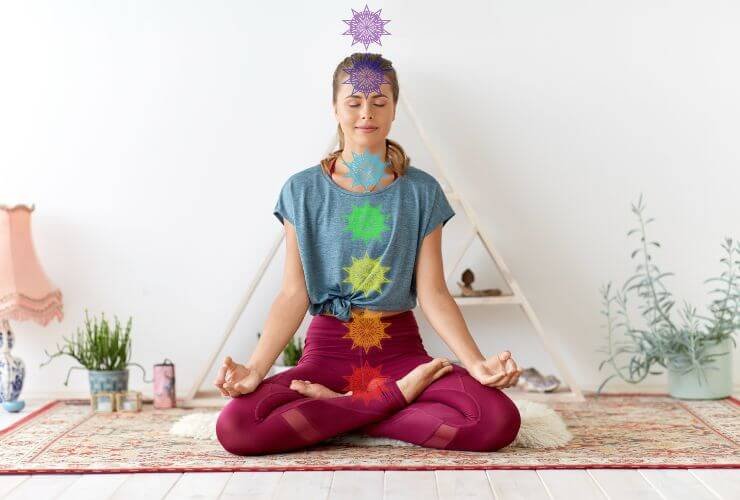
Some singing bowls are sold according to musical notes, measured frequencies or associations with the seven chakras. These systems can provide a framework for arranging instruments during meditation and contemporary sound healing sessions.
For example, a practitioner may choose bowls with different pitches to create a sequence that moves gradually through a musical range. Another facilitator may use a single bowl and focus the session on listening, breath awareness and silence.
Chakra-to-note systems vary between teachers and commercial traditions. They represent particular spiritual or musical frameworks, and their associations should be understood in that context. A specific frequency does not have a universally established medical effect simply because a seller connects it with a chakra.
If pitch matters to your practice, ask for reliable tuning information and test how the bowl sounds alongside your other instruments. Choose frequency labels as a practical musical consideration while evaluating claims about health effects carefully.
7. Check the bowl’s quality before buying
A good singing bowl should suit your practice and respond well to the playing technique you intend to learn. Inspect the instrument carefully, particularly when purchasing online.
For a metal singing bowl, examine its rim, base and overall construction. Look for visible cracks, sharp edges or damage that could affect safe handling. Decorative marks and handcrafted finishes can add character, although they provide limited information about sound quality on their own.
For a crystal singing bowl, inspect the surface for chips or cracks and check whether the bowl sits securely on its support. Confirm that the seller provides an appropriate mallet and explains how to handle and store the instrument.
Whenever possible, test the bowl before making a purchase. If an in-person trial is unavailable, ask for a recording of the specific bowl being sold, including both a gentle strike and rim playing where applicable. A recording of the actual instrument gives you a better basis for comparison than a generic demonstration.
Also check the seller’s return policy, packaging standards, delivery arrangements and after-sales support. These details become especially important when buying fragile instruments or investing in a complete set.
8. Choose the right singing bowl mallet
The mallet influences the sound and playing response of a singing bowl. Different materials and shapes can produce different tonal qualities, so the supplied accessory deserves attention.
A padded striker can create a softer initial sound, while a harder striker may produce a sharper attack. For rim playing, the mallet needs to match the bowl and provide enough friction to maintain a steady singing tone.
Technique matters as much as the accessory. Hold the bowl securely, strike it with controlled movement and allow the sound to develop. When playing around the rim, apply steady pressure and move at a consistent pace. Excessive force can create an unpleasant sound and make the instrument harder to control.
Beginners should spend time learning how to play one bowl before investing in several mallets. As their technique develops, they can experiment with accessories that produce the tone and volume they need.
9. How much should you spend on a singing bowl?
Singing bowl prices vary according to material, size, craftsmanship, tuning, maker and included accessories. A simple metal bowl may suit a modest budget, while a large handcrafted instrument or a coordinated crystal set can require a considerably larger investment.
Set a budget based on your intended use. For personal meditation, start with one well-made bowl that you enjoy playing. If you are preparing to lead professional sessions, allocate funds for suitable instruments, protective storage and practical training.
Price alone cannot establish whether a bowl is suitable. An expensive instrument may have a tone that feels too bright for your preference, while a more affordable bowl may offer exactly the sound you want.
Compare instruments according to their actual sound, construction, playing response and after-sales support. This approach helps you invest in instruments that you will use regularly.
10. Common mistakes to avoid when choosing singing bowls
New buyers can make better decisions by taking time to test the instruments and understand their own needs.
One common mistake is choosing a bowl based entirely on appearance. Attractive engraving and polished finishes may appeal to the eye, yet the sound should remain central to the decision.
Another mistake is buying a complete chakra set before learning how to play a single bowl. Beginners often benefit from mastering basic striking and rim techniques first, then expanding their collection as their practice develops.
It is also easy to rely on broad claims about special frequencies or healing effects. Ask what a seller means by a particular claim and look for reliable evidence when health benefits enter the discussion.
Finally, consider the listening environment. Room size, furnishings, other instruments and playing volume all influence how a singing bowl sounds. A careful trial in a suitable space can reveal qualities that a product photograph or short online clip cannot convey.
11. How to begin practising with your singing bowl
Once you have chosen a bowl, start with a simple listening practice. Find a quiet place where you can sit comfortably and hear the sound clearly.
Place the bowl on a stable cushion or hold it securely according to its size and design. Strike it gently and follow the sound from its initial attack through its changing resonance until it fades.
Repeat the process at a comfortable pace. Pay attention to the tone, the overtones and the moment when the sound becomes difficult to hear. Allow a short period of silence between strikes so you can observe the transition from sound to quiet.
As you gain experience, practise rim playing if your bowl supports it. Keep your movement steady and adjust the pressure until the bowl produces a consistent tone. Short, regular sessions can help you develop control and a more attentive relationship with the instrument.
For facilitators, this basic exercise also develops skills that support group sessions: controlled playing, awareness of volume, thoughtful timing and an ability to leave space for listening.
Frequently asked questions
Which singing bowl is best for beginners?
A single, well-made metal singing bowl is a practical starting point for many beginners. Choose a manageable size, a comfortable tone and an instrument that responds well to gentle striking and rim playing. Your preferred sound and budget should guide the final choice.
Are Tibetan singing bowls better than crystal singing bowls?
Each type offers different acoustic qualities. Metal bowls often produce layered overtones, while crystal bowls commonly produce clear, sustained tones. The suitable option depends on your musical preference, intended practice and handling requirements.
What size singing bowl should I buy?
A small bowl offers portability, a medium bowl often provides a useful balance between handling and sound presence, and a large bowl may suit sessions where a fuller tone is desirable. Since construction affects pitch, listen to the actual bowl before choosing a size.
How many singing bowls do I need for sound healing?
One bowl can support personal meditation and simple sound sessions. Practitioners leading varied group sound baths may eventually choose several bowls with complementary pitches and tonal qualities. Build your collection around your technique and session plans.
Do singing bowls need to be tuned to specific frequencies?
Specific tuning can be useful when you want to arrange bowls around musical pitches or create a planned sequence. Chakra-related frequency systems are used in some contemporary practices, although their associations vary and specific medical benefits require reliable evidence.
Can I use singing bowls at home for meditation?
Yes. A singing bowl can provide a focus for listening and help mark the beginning or end of a meditation session. Play it at a comfortable volume, allow the resonance to fade and use a pace that supports your attention.
What should I check before buying singing bowls online?
Check the instrument’s material, dimensions, condition, sound recording, included mallet, protective packaging and return policy. For crystal bowls, pay particular attention to safe handling and delivery. For metal bowls, listen for a clear, pleasing response and inspect the construction.
Final thoughts
Choosing singing bowls for sound healing becomes easier when you begin with the kind of practice you want to develop. Consider the material, size, tone, resonance, playing technique and setting before making your decision. Whenever possible, listen to the actual instrument and give yourself time to compare several options.
For beginners, one versatile singing bowl offers an accessible way to explore sound meditation and develop basic playing skills. As experience grows, additional bowls can expand the range of tones available for individual sessions, yoga classes and group sound baths.
At Nada Yoga School, the study of sound connects attentive listening with mantra, meditation and Indian musical traditions. Students who want to explore these practices in a structured setting can learn more about the Sound Healing Teacher Training Course in Rishikesh, which introduces sound-based practices alongside practical work with instruments.